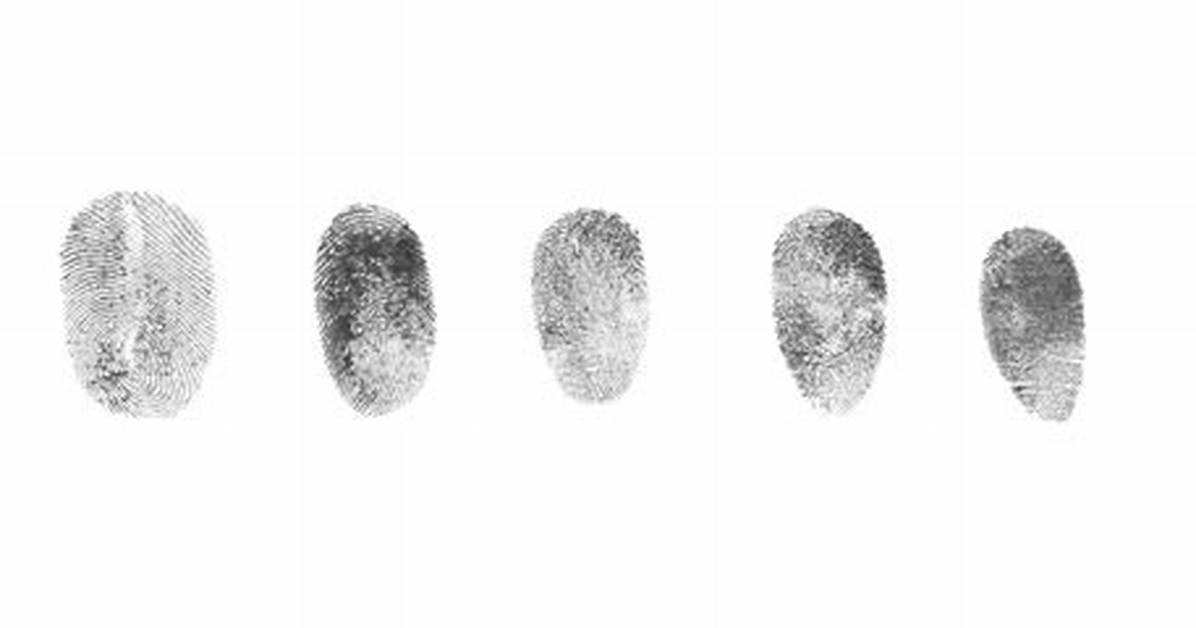
Girls fingerprint is a unique and fascinating aspect of human biology that has garnered significant attention in various fields, including forensics, psychology, and even social sciences. In this article, we will explore the intricacies of girls' fingerprints, their formation, significance, and how they differ from those of boys. We aim to provide a thorough understanding of this topic while adhering to the principles of expertise, authoritativeness, and trustworthiness.
Fingerprints have been used for identification purposes for over a century. Each individual's fingerprints are unique, forming during fetal development and remaining unchanged throughout one’s life. The study of fingerprints, particularly in girls, presents interesting findings related to genetics, environmental factors, and even behavioral traits. Understanding this can be valuable in various domains, from law enforcement to psychology.
This article will delve deep into the biology of fingerprints, the significance of girls' fingerprints in identification, and the implications of these patterns in understanding gender differences. By the end of this guide, readers will be equipped with knowledge about fingerprints that extends beyond mere identification, touching on aspects of identity and individuality.
1. What Are Fingerprints?
Fingerprints are the unique patterns made by the ridges and valleys on the surface of a person's fingertips. These patterns are classified into three primary types: loops, whorls, and arches. Each person's fingerprints are distinct, which is why they are widely used for identification purposes.
Types of Fingerprints
- Loops: These fingerprints have ridges that enter from one side, loop around, and exit the same side.
- Whorls: These consist of circular patterns with ridges that form a spiral or concentric pattern.
- Arches: These are characterized by ridges that enter from one side and exit the other side, creating a wave-like pattern.
2. The Formation of Fingerprints
Fingerprints begin to develop in the fetus around the 10th week of pregnancy. The formation is influenced by genetic factors and environmental conditions in the womb. The pressure, position, and even the amniotic fluid can affect the final pattern of a person's fingerprints.
Influencing Factors
- Genetic predisposition: Certain traits are inherited from parents.
- Environmental factors: Conditions in the womb that can alter the formation.
- Random events: Minor fluctuations during development can lead to unique patterns.

