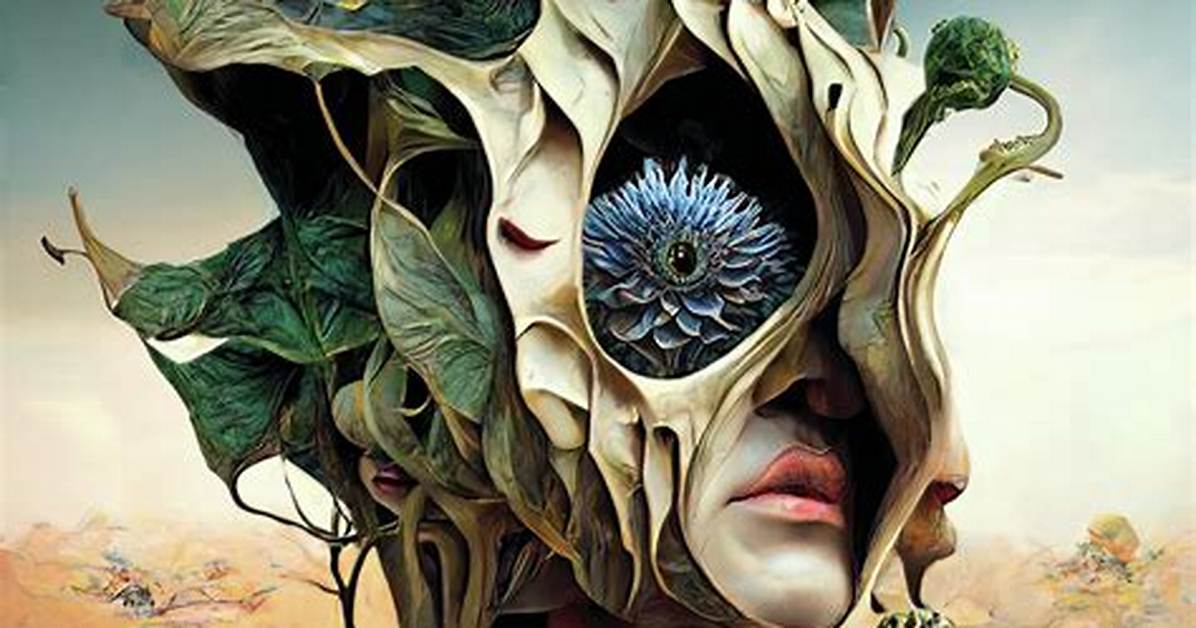
Surrealism DTI has become a fascinating intersection of art and technology, revolutionizing the way we perceive creativity in the digital age. The fusion of surrealism, a movement born in the early 20th century, with Digital Technology Innovation (DTI), offers endless possibilities for artists and creators worldwide. This article will delve deep into the world of surrealism DTI, providing insights, practical examples, and expert advice to help you navigate this exciting field.
Surrealism DTI represents a groundbreaking shift in how art is created, shared, and appreciated. By combining the dreamlike and subconscious elements of surrealism with cutting-edge digital tools, artists can push the boundaries of imagination and expression. As technology continues to evolve, the potential for innovation in this space is limitless.
In this article, we will explore the history of surrealism, its digital transformation, and the tools that are driving this movement forward. Whether you're an artist, a tech enthusiast, or simply curious about the intersection of art and technology, this guide will provide valuable insights into the world of surrealism DTI.
The History of Surrealism
Surrealism, as a movement, began in the early 1920s, led by André Breton, who sought to unlock the unconscious mind through art and literature. The movement was heavily influenced by Sigmund Freud's theories on dreams and the subconscious. Surrealism aimed to break free from the constraints of rational thought, allowing artists to explore the realms of imagination and fantasy.
Key figures in surrealism include Salvador Dalí, René Magritte, and Max Ernst. Their works often featured bizarre and unexpected juxtapositions, dreamscapes, and elements of surprise. This artistic movement laid the foundation for what would later become surrealism DTI, where artists could harness the power of digital tools to expand their creative horizons.
Key Characteristics of Surrealism
- Emphasis on the subconscious mind
- Unexpected juxtapositions of objects
- Exploration of dreams and fantasies
- Challenge to traditional artistic norms
The Digital Transformation of Surrealism
As technology advanced, the principles of surrealism found new life in the digital realm. Surrealism DTI emerged as artists began to experiment with digital tools, creating works that combined traditional surrealistic elements with modern technology. This transformation allowed for greater flexibility, experimentation, and accessibility in the creation of surreal art.
Digital platforms and software have democratized the art world, enabling artists from all walks of life to participate in the surrealism movement. The rise of social media and online galleries has further expanded the reach of surrealism DTI, making it accessible to a global audience.
Impact of Technology on Surrealism
- Enhanced ability to manipulate images and create complex compositions
- Access to a wider range of tools and resources for artistic creation
- Increased opportunities for collaboration and sharing of ideas

