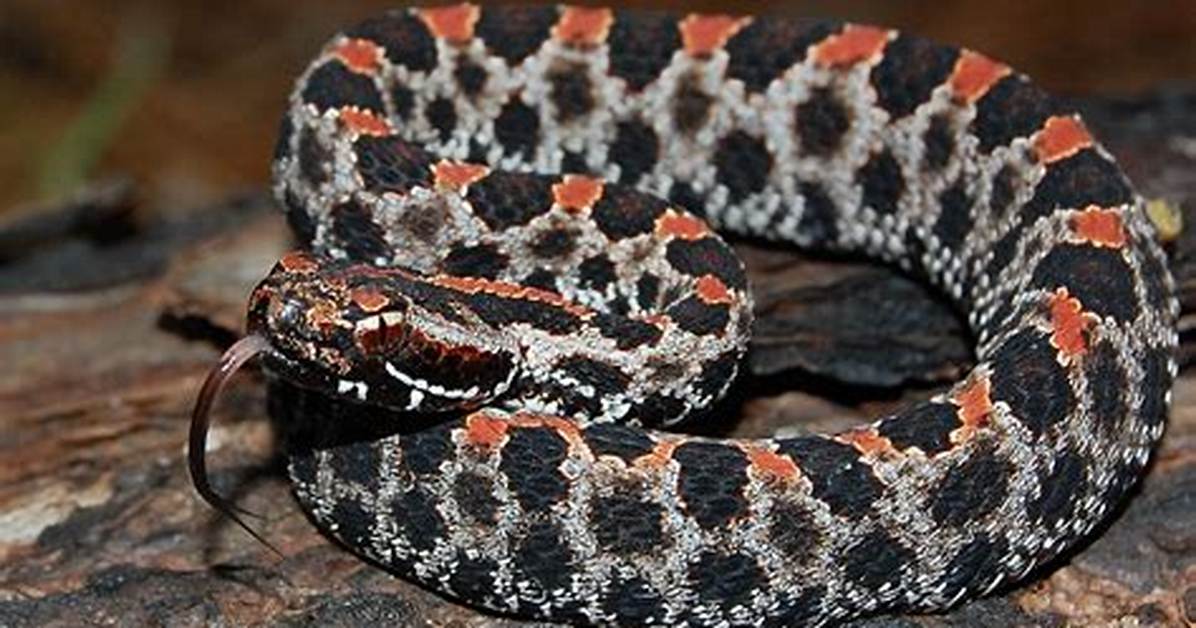
The pygmy rattlesnake, a small but intriguing species, has captured the attention of reptile enthusiasts and nature lovers alike. This venomous snake, native to the southeastern United States, is known for its distinctive rattle and unique behavior. Understanding the pygmy rattlesnake is essential for both appreciating its role in the ecosystem and ensuring safety in areas where it resides. With its relatively small size, the pygmy rattlesnake may not be as intimidating as its larger relatives, but it holds its own in the world of venomous snakes. In this article, we will explore various aspects of the pygmy rattlesnake, including its habitat, behavior, diet, and conservation status.
As we delve into the life of the pygmy rattlesnake, we will highlight its unique characteristics and ecological significance. This species plays a vital role in controlling rodent populations and maintaining the balance of its ecosystem. However, due to habitat loss and human encroachment, the pygmy rattlesnake faces various threats that could impact its survival.
Join us as we uncover the secrets of the pygmy rattlesnake, from its physical attributes to its behavior in the wild. By the end of this article, you'll have a deeper understanding of this remarkable creature and its place in the natural world.
Biography of the Pygmy Rattlesnake
The pygmy rattlesnake, scientifically known as Sistrurus catenatus, is a member of the Viperidae family. This snake is one of the smallest rattlesnakes, typically measuring between 18 to 30 inches in length. Its small size and distinctive markings make it easily identifiable. Below is a brief overview of the pygmy rattlesnake's personal data and biodata:
| Scientific Name | Sistrurus catenatus |
|---|---|
| Common Names | Pygmy Rattlesnake, Eastern Pygmy Rattlesnake |
| Size | 18 to 30 inches |
| Coloration | Gray, brown, or yellow with dark blotches |
| Habitat | Forests, wetlands, and grasslands |
| Range | Southeastern United States |
| Conservation Status | Least Concern (IUCN) |
Physical Characteristics
The pygmy rattlesnake is characterized by its small size and distinctive rattle, which is used as a warning signal to potential threats. Its coloration varies from gray to brown or yellow, often adorned with dark blotches that provide excellent camouflage in its natural habitat. The pygmy rattlesnake's eyes are small and dark, enhancing its ability to see in low-light conditions.
Key Features
- Small size, typically 18 to 30 inches long.
- Distinctive rattle at the end of the tail.
- Varied coloration for effective camouflage.
- Well-developed fangs to deliver venom.

