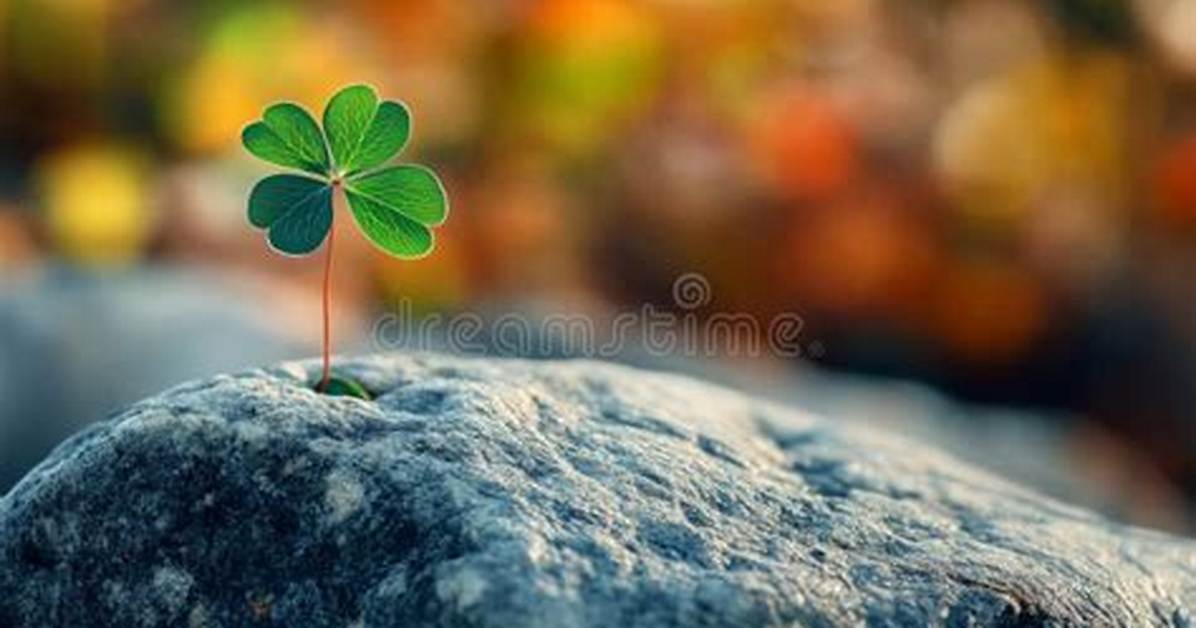
Little Clover Whispers is not just a phrase; it encapsulates the gentle murmurs of nature that resonate with those who take the time to listen. In a world bustling with noise, the simple beauty of a clover patch can transport us into a realm of tranquility and reflection. This article explores the enchanting world of clovers, their significance in folklore, their ecological importance, and how they can inspire mindfulness in our daily lives.
The clover, a small yet resilient plant, has been a source of fascination across cultures. From being a symbol of good luck to serving as a vital component in various ecosystems, clovers whisper secrets of nature that many overlook. By delving into the myriad layers of meaning behind these humble plants, we can appreciate their role in our environment and our lives.
In this comprehensive guide, we will uncover the various types of clovers, their benefits, and how you can incorporate them into your life. Whether you're a nature enthusiast, a gardener, or simply someone seeking a deeper connection with the world around you, the whispers of little clover can lead you on a path of discovery and appreciation.
What is Clover?
Clover is a member of the legume family (Fabaceae) and is known for its trifoliate leaves. The most common species of clover include white clover (Trifolium repens), red clover (Trifolium pratense), and yellow clover (Trifolium dubium). These plants are typically low-growing and can be found in a variety of habitats, from lawns to meadows.
Characteristics of Clover
Clover plants are characterized by:
- Trifoliate leaves that are often heart-shaped.
- Small, round flower heads that can be white, pink, or purple.
- A deep root system that helps in soil stabilization.
Types of Clover
There are several species of clover, each with unique characteristics and benefits:
1. White Clover (Trifolium repens)
White clover is commonly found in lawns and pastures. It is known for its ability to fix nitrogen in the soil, making it a valuable plant for improving soil health.
2. Red Clover (Trifolium pratense)
Red clover is taller than white clover and produces vibrant purple flowers. It is often used in herbal medicine and as a forage crop for livestock.
3. Micro Clover
Micro clover is a smaller variety that is often mixed with grass seeds for lawns. It requires less water and mowing than traditional grass lawns.

