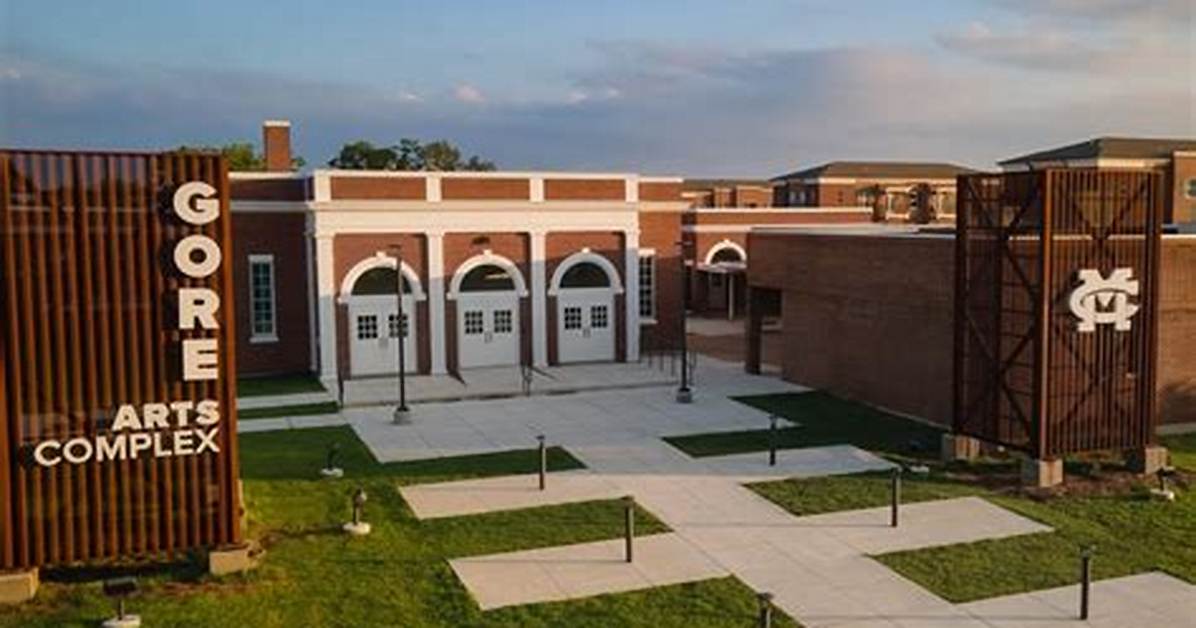
The Gore Center is a unique and fascinating establishment that serves as a hub for individuals seeking both adventure and knowledge. Located at the intersection of science and art, this center offers a plethora of experiences that cater to a diverse audience. Whether you are an enthusiast of the macabre or simply curious about the human condition, the Gore Center is an intriguing destination that invites exploration. In this article, we will delve into the various aspects of the Gore Center, including its history, exhibits, and educational programs.
The Gore Center has made a name for itself as a place where the living meet the extraordinary. From its inception, it has aimed to challenge perceptions and provoke thought regarding life, death, and everything in between. Throughout its journey, the center has evolved into a multifaceted institution that not only entertains but also educates its visitors on critical topics related to mortality and the human experience.
As we explore the Gore Center, we will uncover the reasons why it has become a must-visit location for those intrigued by the darker sides of life. We will discuss the various exhibits on display, the educational programs offered, and the overall impact the center has had on its visitors and the community. Join us as we embark on this journey into a world where the living meet the extraordinary.
History of the Gore Center
The Gore Center was established in the early 2000s, born from a desire to create a space where the complexities of life and death could be explored. The founders aimed to create an environment that would encourage open discussions about topics often considered taboo. Over the years, the center has grown in popularity, attracting visitors from all walks of life.
Initially, the Gore Center focused primarily on anatomical exhibits, showcasing preserved specimens and interactive displays that highlighted the intricacies of the human body. As interest in the center grew, so did its offerings. Today, the Gore Center features a wide array of exhibits that encompass not only anatomy but also cultural and historical perspectives on death.
Key Milestones
- 2002: The Gore Center opens its doors to the public.
- 2005: Introduction of interactive exhibits that engage visitors in the exploration of life sciences.
- 2010: Expansion of the center to include cultural exhibits related to death and dying.
- 2020: Launch of virtual programming in response to global events, allowing worldwide access to the center's offerings.
Exhibits at the Gore Center
One of the main attractions of the Gore Center is its diverse range of exhibits. Each exhibit is designed to educate and provoke thought, inviting visitors to engage with the subject matter in meaningful ways. Here are some notable exhibits currently on display:
Anatomy Revealed
This exhibit offers a close-up view of the human body through a series of preserved specimens. Visitors can explore various systems of the body, including the skeletal, muscular, and circulatory systems. Interactive displays allow guests to learn about the functions of different organs and how they work together to sustain life.
Cultural Perspectives on Death
This exhibit showcases how different cultures around the world approach death and dying. Through artifacts, multimedia presentations, and personal stories, visitors gain insight into the rituals, beliefs, and practices associated with mortality in various societies.
The Science of Grief
Understanding grief is essential for many individuals, and this exhibit delves into the psychological and physiological aspects of the grieving process. Visitors will find resources and tools to help them understand and cope with their own experiences of loss.

